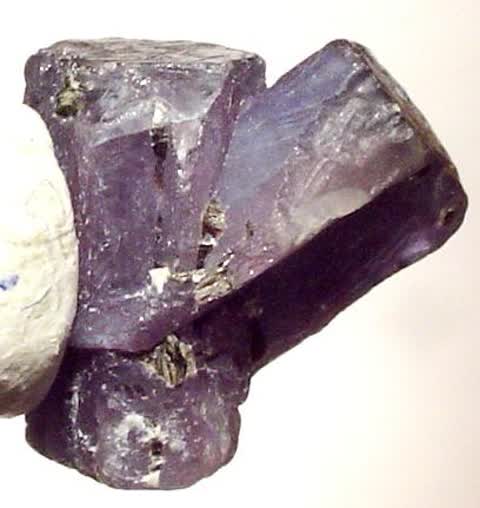

BeAl₂O₄
Chrysoberyl
Alexandrite, found in the Urals in the 1830s, shifts green in daylight and red by the lamp.
BeAl₂O₄
Alexandrite, found in the Urals in the 1830s, shifts green in daylight and red by the lamp.
Chrysoberyl is BeAl₂O₄ before it is a story. The lattice is orthorhombic, Mohs 8.5, and the eye meets yellow, green.
The better pieces still come out of the ground in Russia, Brazil, Sri Lanka. Alexandrite, found in the Urals in the 1830s, shifts green in daylight and red by the lamp.
The parlour tradition ties Chrysoberyl to fire and to the solar plexus centre. The old site stood it near: Leo, Gemini.
A hard stone survives a daily ring, yet two diamonds in one box will scratch each other. Warm water and a soft cloth are enough.